

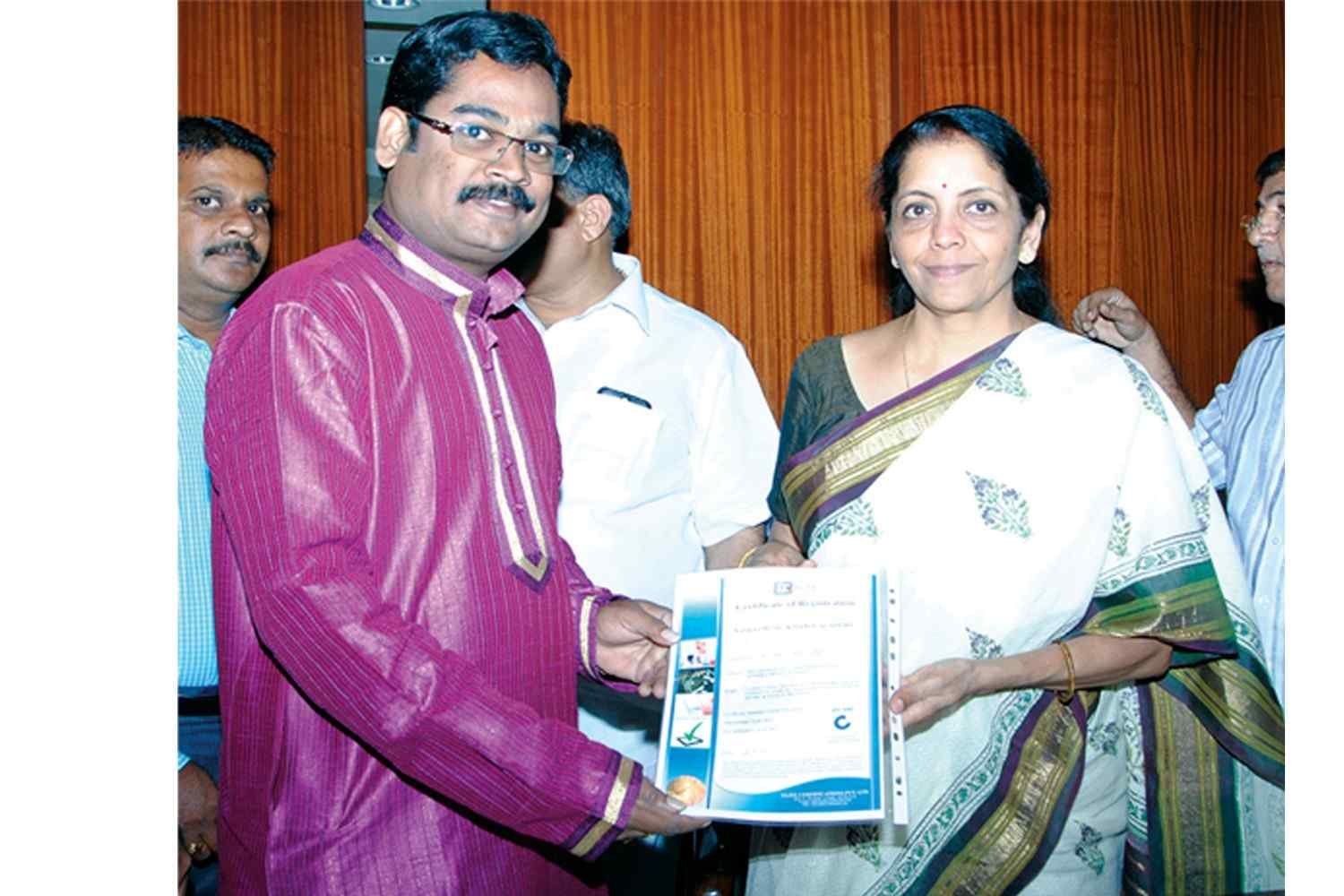
Indian classical dance carries centuries of artistic knowledge, but preserving that heritage requires more than performances on stage. The history of dance is also recorded through the lives of artistes, the work of gurus, changing performance practices, research, criticism and documentation. Recognising this need, Kuchipudi exponent, cultural organiser and researcher Vikram Kumar B R, popularly known as Bathina Vikram Goud, has used cultural journalism as an important instrument for documenting India’s dance heritage.
A major part of this effort is associated with The Dance India, a national English-language monthly cultural publication devoted to Indian dance and related traditions. As its editor, Vikram Kumar B R has been involved in creating a platform where dance is not merely presented as entertainment but also examined through articles, profiles, reviews and cultural documentation.
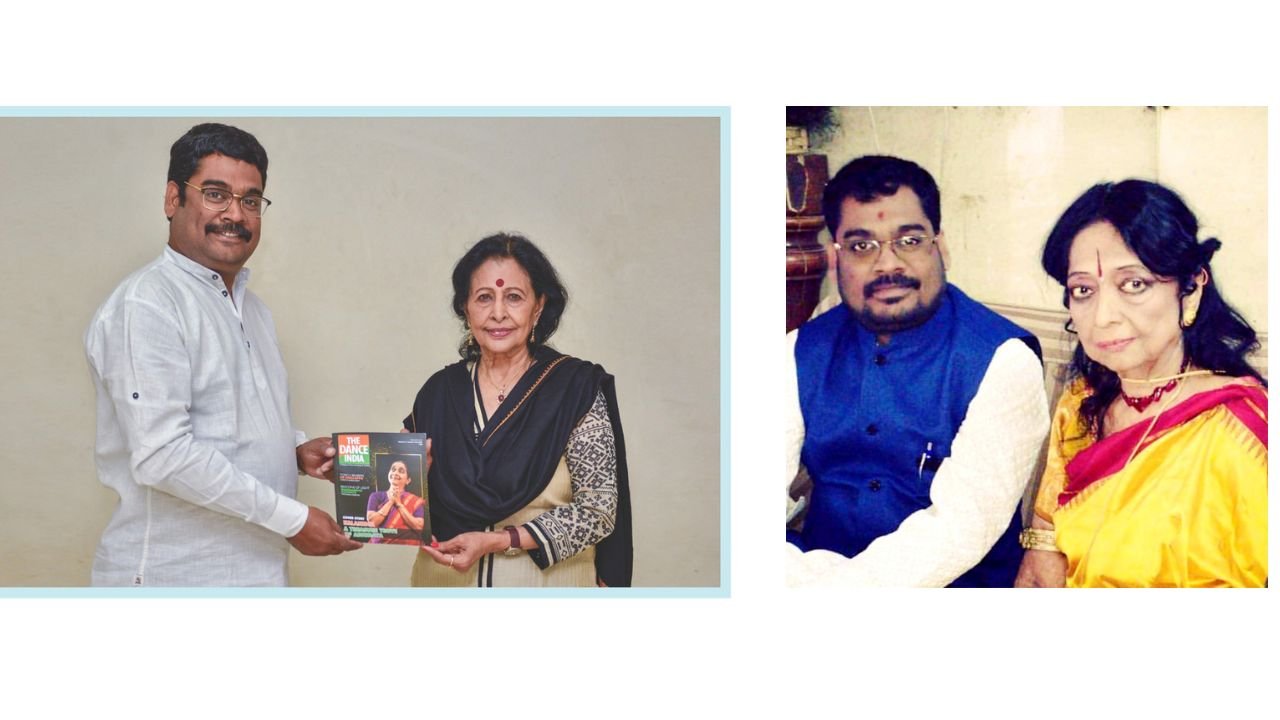
The publication provides space for discussions surrounding Indian classical dance and the people who have contributed to its development. Profiles of established artistes can preserve information about their careers and artistic contributions, while articles on performances provide a record of the continuing evolution of India’s dance culture.
For Vikram Kumar B R, documentation has a significance that extends beyond recording individual events. Indian classical dance includes a vast body of repertoire, literature, choreography, music, teaching traditions and historical knowledge. If these elements are not properly recorded, future generations may find it difficult to understand the context in which particular traditions developed.
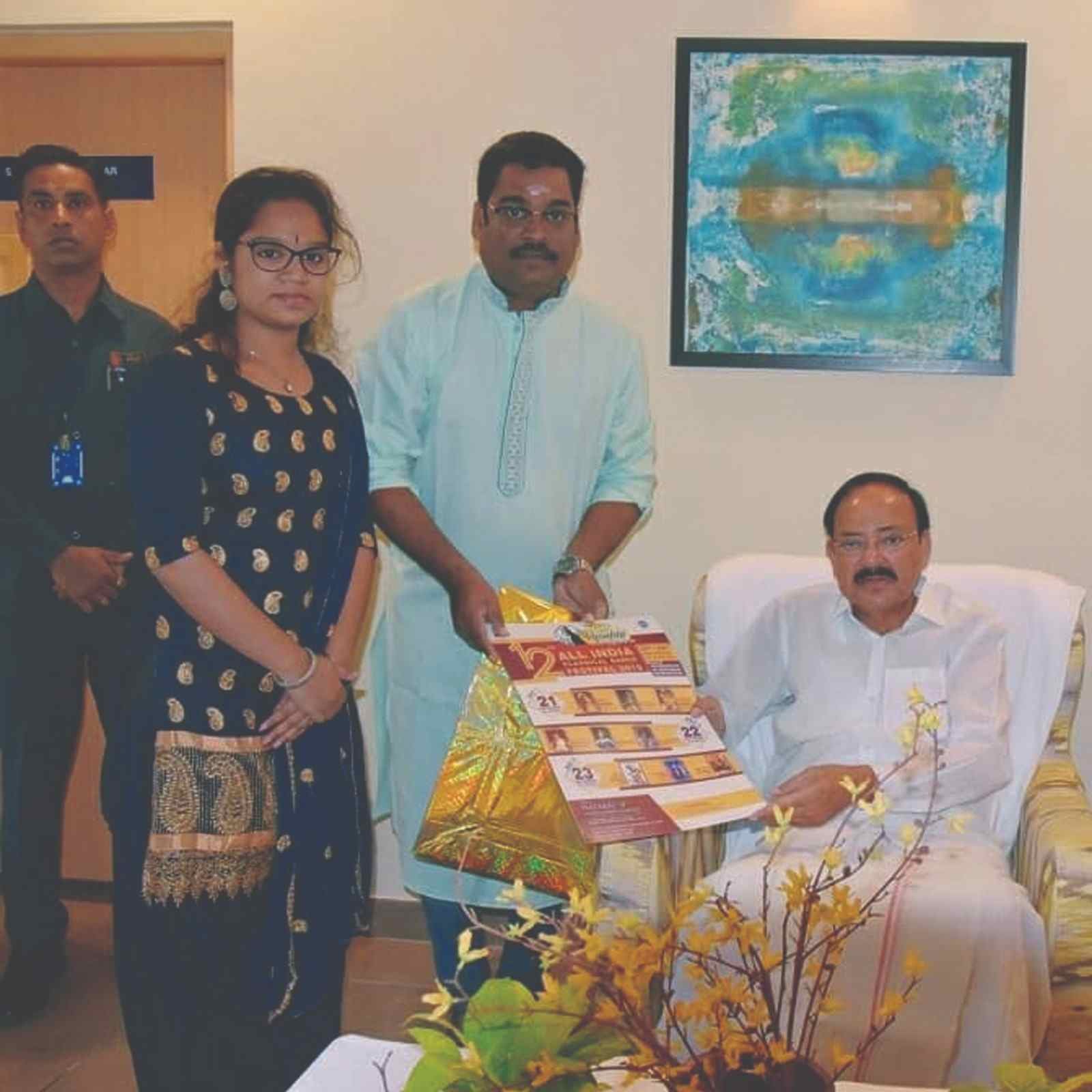
This concern is particularly relevant for senior artistes and gurus whose knowledge has often been transmitted through direct teaching. The traditional guru-shishya relationship remains fundamental to many Indian classical forms, but written documentation can provide an additional layer of continuity.
Through The Dance India, cultural journalism becomes part of this preservation process. Articles and profiles can create records that remain accessible beyond the duration of a performance. A festival may conclude after a few days, but a detailed report can preserve information about the participating artists, artistic presentations and cultural significance of the event.
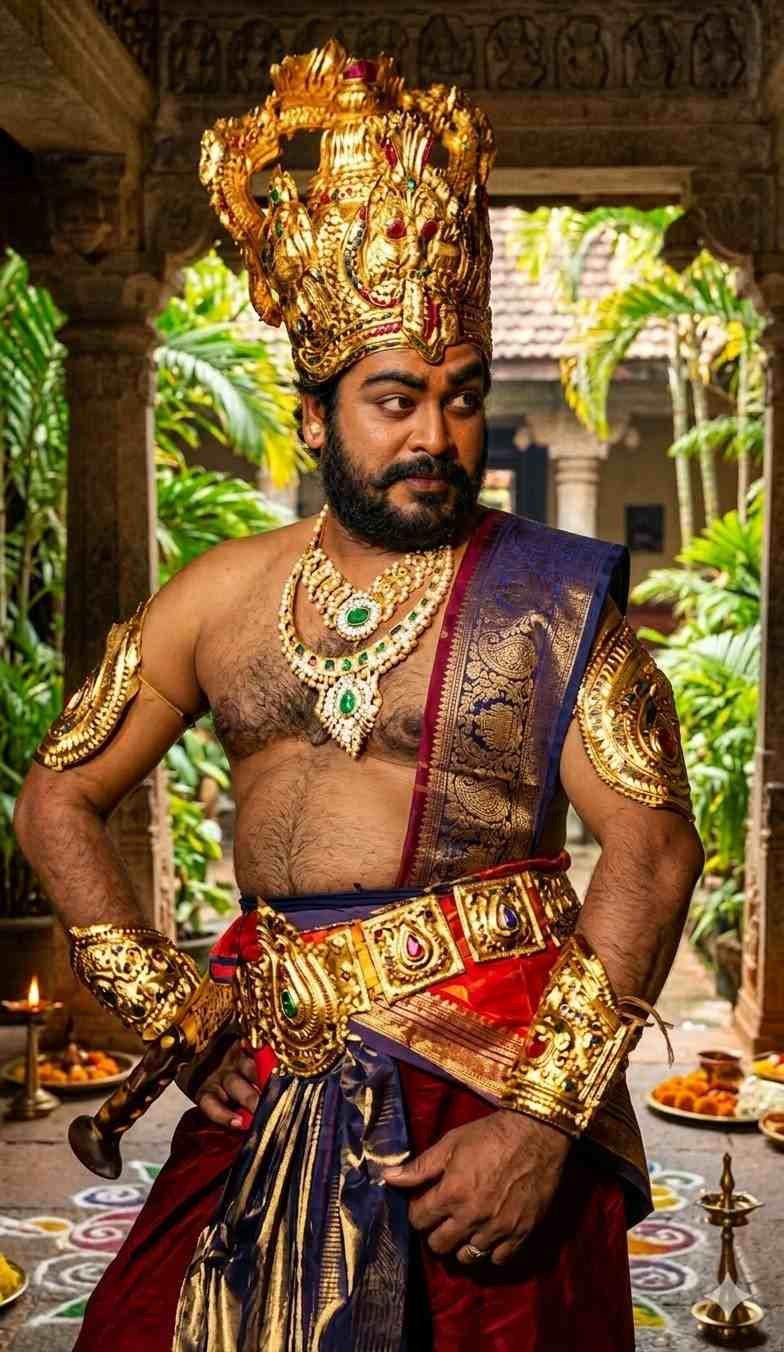
The publication also provides a platform for discussions about endangered and lesser-known traditions. India’s performing-arts landscape includes numerous folk and traditional forms that may receive less mainstream attention than major classical disciplines. Documentation can help bring these traditions into wider cultural conversations.
Vikram Kumar B R’s own background strengthens this connection between artistic practice and documentation. He holds a Master’s degree in Kuchipudi and has undertaken academic research into Siva Thandavam and Saptha Thandavam within the Kuchipudi tradition. His experience as a performer, researcher and cultural organiser gives him an understanding of the importance of recording artistic knowledge from multiple perspectives.
The publication also reflects his belief that preservation must include context. Simply recording a movement or performance is not necessarily enough. Future readers need to understand the artist, tradition, historical background and artistic principles associated with the material.
This becomes even more important in the digital era, when cultural content can be copied and redistributed rapidly. Without reliable documentation, original sources can become difficult to identify and artistic contributions may not receive appropriate recognition.
Responsible cultural journalism can help address this problem by creating records that identify artistes, productions, traditions and contributors. It can also encourage greater public awareness about artistic ownership and the importance of giving credit to creators.
The reach of The Dance India further strengthens its role within this cultural ecosystem. The publication has been described as reaching libraries and readers across India, giving documented material an audience beyond individual dance communities.
For young artistes and students, such publications can become useful sources of information. They can learn about senior practitioners, explore different dance traditions and understand the broader cultural environment in which their own training exists.
Vikram Kumar B R’s work through The Dance India therefore represents an extension of his wider mission in the performing arts. His activities span dance education, choreography, theatre, festival organisation, research and cultural institution building. Journalism adds another important dimension by ensuring that artistic activity is recorded in written form.
The central philosophy is simple but significant: what is performed should also be remembered, and what is remembered should be documented responsibly.
By creating a dedicated platform for dance journalism and cultural documentation, The Dance India contributes to a growing record of India’s performing-arts heritage. For Vikram Kumar B R, the publication is not simply a source of cultural news; it is part of a larger effort to ensure that the artists, traditions and knowledge shaping Indian dance remain visible to future generations.