

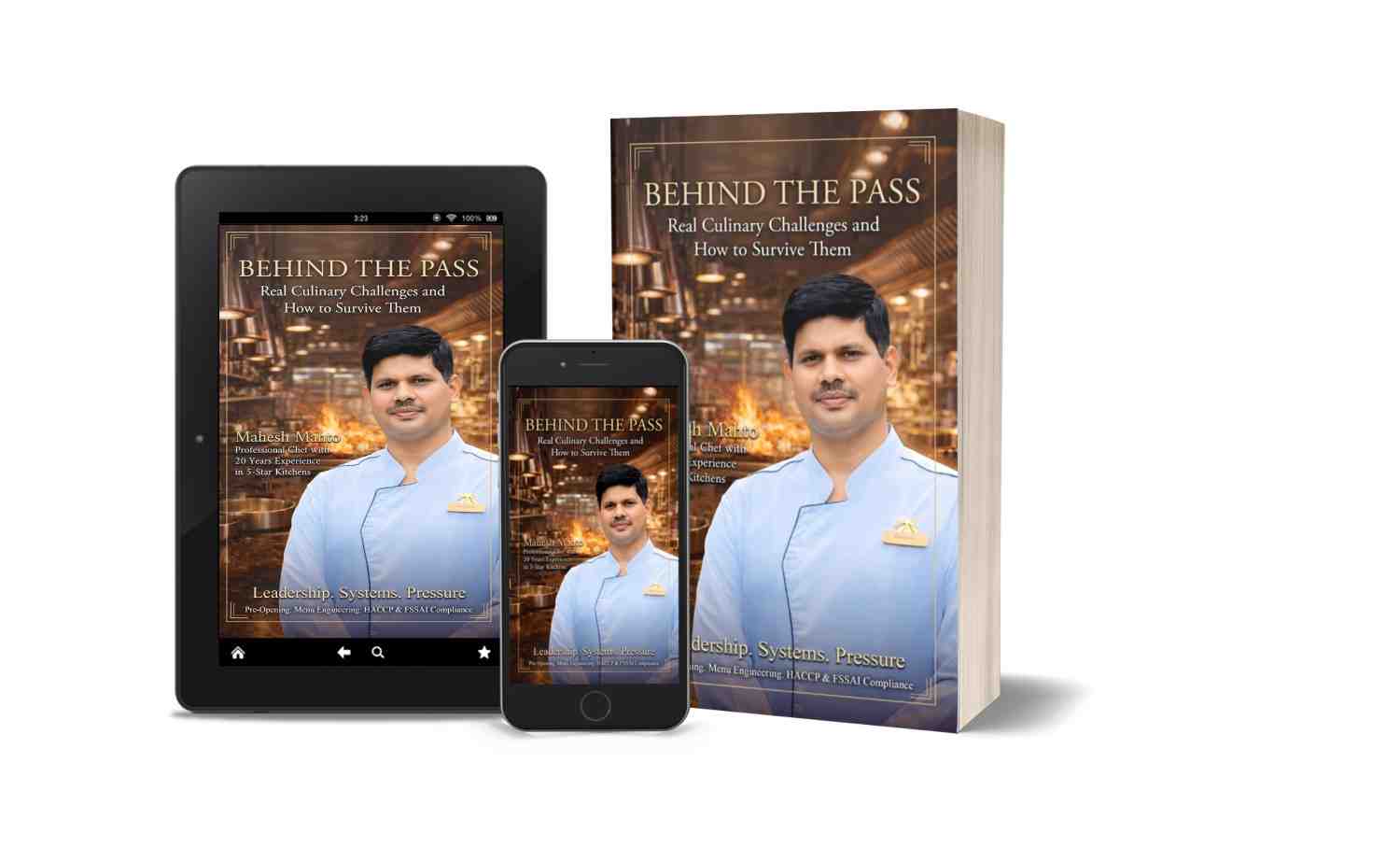
Culinary arts have always celebrated creativity. Chefs are admired for innovation, presentation, and unique flavor combinations. However, in real-world kitchen operations, creativity must coexist with consistency.
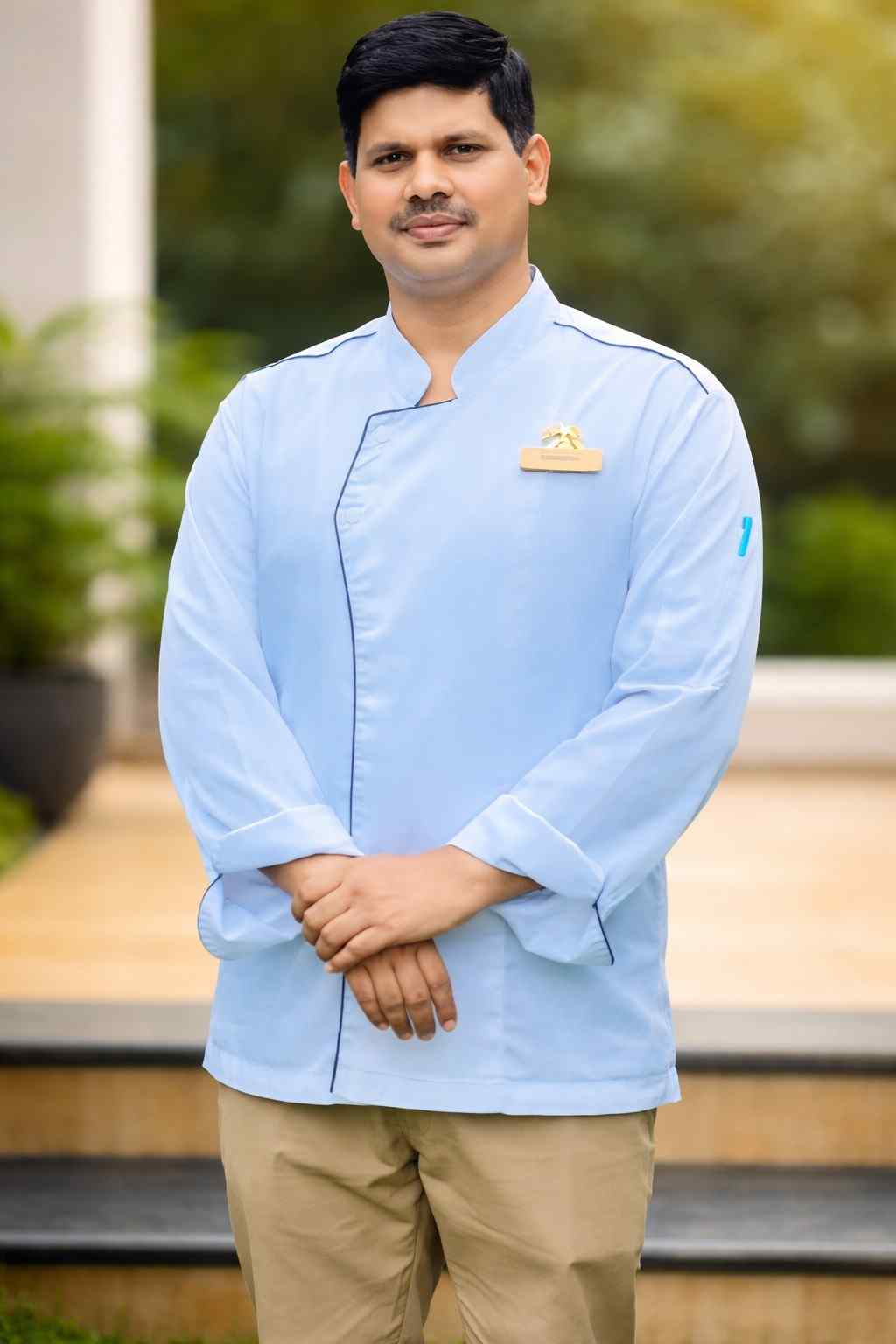
Chef Mahesh Mahto explores this balance as one of the most important challenges in modern hospitality.
The Role of Creativity in Kitchens
Creativity drives innovation. It helps restaurants stand out, attract customers, and evolve menus. Without creativity, food becomes repetitive and uninspiring.
However, creativity alone cannot sustain daily operations.
Why Consistency Matters More in Operations
While creativity attracts attention, consistency builds trust. Customers return not just for exceptional dishes, but for predictable quality.
If a dish changes every time it is ordered, trust begins to decline.
The Conflict Between Innovation and Standardization
One of the biggest challenges kitchens face is balancing experimentation with standard procedures.
Too much creativity leads to inconsistency. Too much structure limits innovation.
The solution lies in controlled creativity—innovation within defined systems.
Structured Creativity
Chef Mahto emphasizes that creativity should operate within boundaries. This means:
- Experimentation during R&D phases
- Standardization after finalization
- Controlled adjustments based on feedback
- Documented creative processes
This ensures innovation does not disrupt consistency.
Menu Engineering as a System
Modern kitchens use menu engineering to balance creativity and operational efficiency. Dishes are designed not just for taste, but for scalability and repeatability.
This ensures that creative dishes can still be executed consistently during peak service.
Training Creative Consistency
Even creative execution must be trained. Chefs need to understand how to maintain artistic expression within system constraints.
This includes plating standards, portion control, and timing discipline.
Leadership in Balancing Both Worlds
Kitchen leaders play a crucial role in balancing creativity and consistency. They must encourage innovation while ensuring systems are not compromised.
This requires careful monitoring and structured decision-making.
Conclusion
Creativity and consistency are not opposites—they are partners. Chef Mahesh Mahto’s perspective highlights that successful kitchens are those that allow creativity to thrive within structured systems, ensuring both innovation and reliability coexist.
Media Coverage & External Links
Read the full feature:
Interview:
Also featured in The Literature Times:
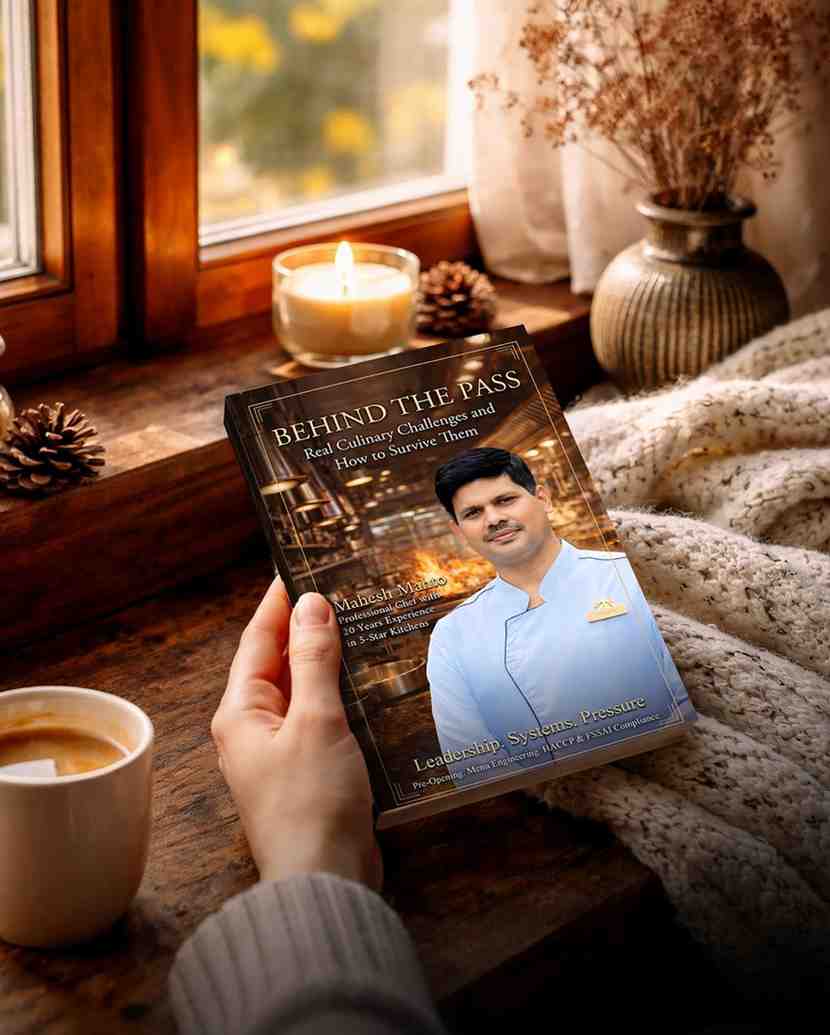
Get Your Copy
The pass is open.
- Amazon — https://lnkd.in/gh__9vkJ
- Flipkart — https://lnkd.in/gVcFjHTa
- Astitva Store — https://lnkd.in/gpmc_vpp
- Classic Shelf — https://lnkd.in/g7_k4TpW